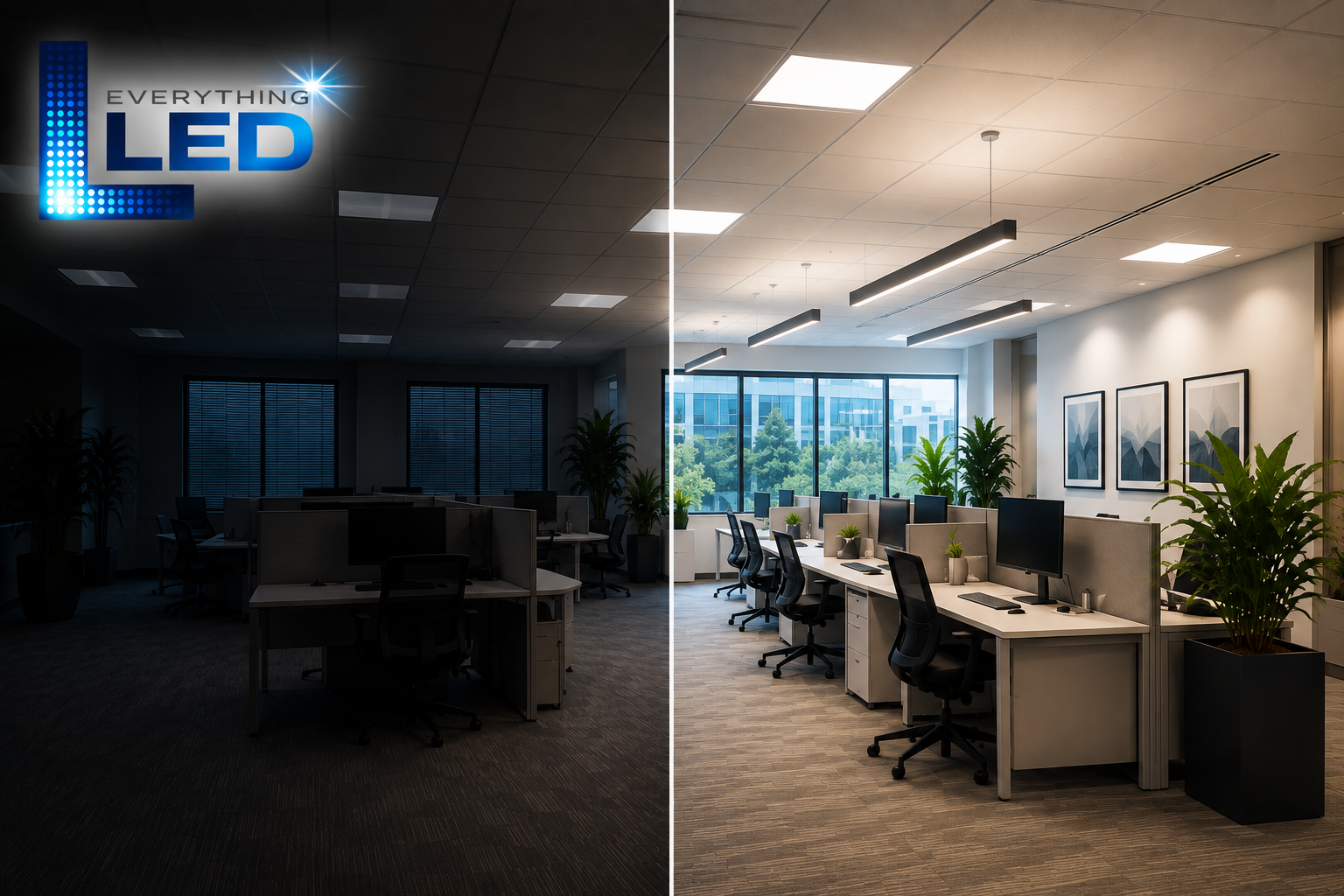
Most people can walk into a room and immediately tell when something feels off.
The challenge is that they often cannot explain why.
The finishes may be beautiful. The layout may be functional. The furniture may be carefully selected.
Yet something about the space simply does not feel right.
In many cases, the problem is not the architecture or the design.
It’s the lighting.
More specifically, it’s color temperature.
What is color temperature?
Color temperature refers to the appearance of light produced by a fixture or lamp.
It is measured in Kelvin (K).
Generally speaking:
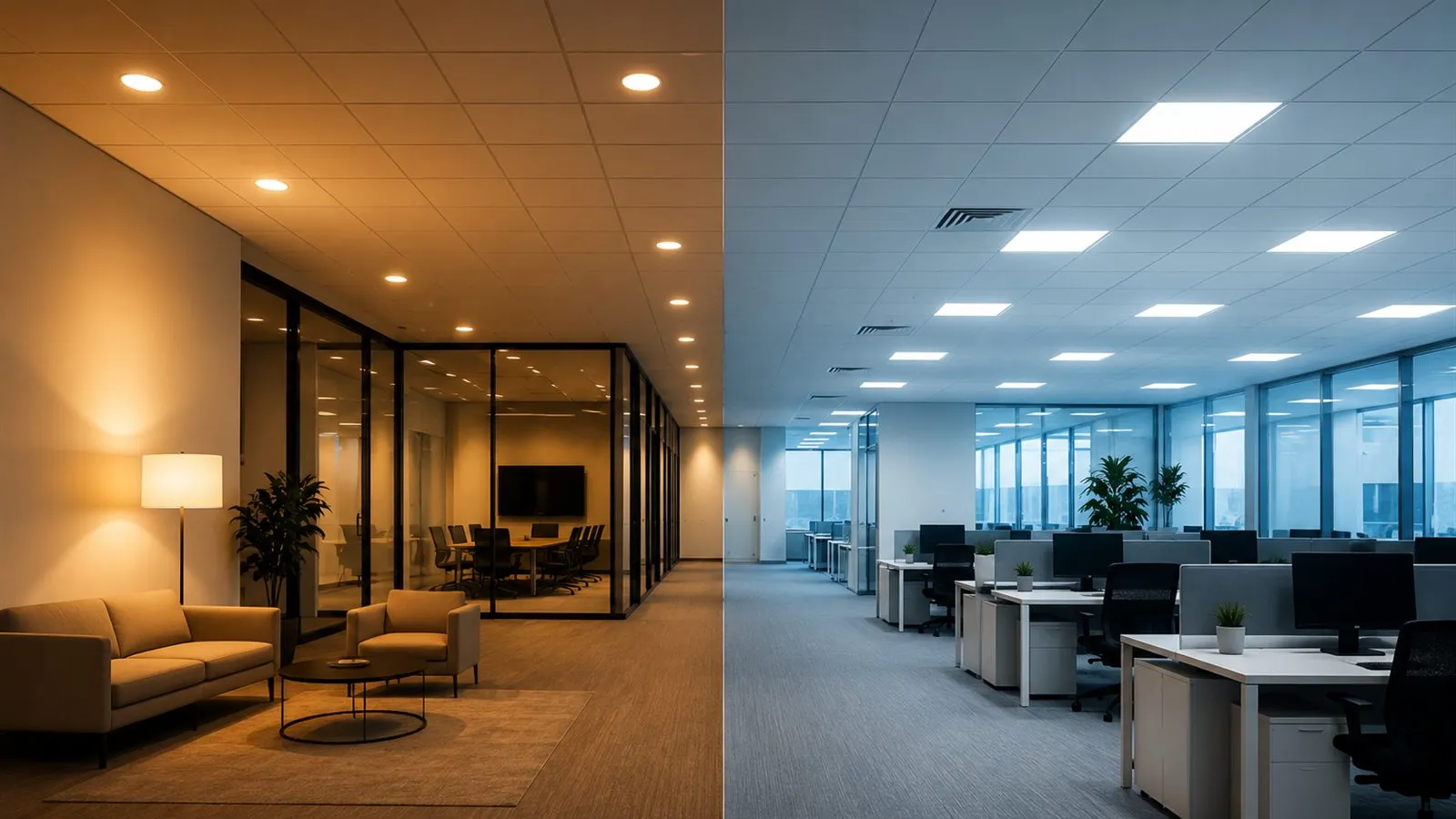
- 2700K to 3000K produces a warm, inviting light
- 3500K creates a more neutral appearance
- 4000K to 5000K produces a cooler, brighter light
Each range has appropriate applications depending on the space and intended use.
Problems often occur when multiple color temperatures are used together without a clear design strategy.
Why inconsistent lighting feels wrong
Imagine a room with two identical fixtures.
One produces warm 3000K light.
The other produces cool 5000K light.
Most people will immediately notice that something feels off, even if they cannot identify the cause.
The space begins to feel visually disconnected.
Instead of creating a cohesive environment, the lighting competes with itself.
Builders may encounter this issue when fixtures are sourced from multiple suppliers, substitutions are made during construction, or lighting specifications are changed late in the project.
The result is often a finished space that feels less polished than intended.
Color temperature shapes the experience of a space
Lighting does more than illuminate a room.
It influences how people experience the environment.
Warm lighting often creates feelings of comfort, relaxation, and hospitality.
Cooler lighting tends to feel brighter, more energetic, and more task-oriented.
Neither approach is inherently better.
The key is choosing the right color temperature for the intended use of the space.
A luxury restaurant would likely create a very different atmosphere if all of its lighting were changed from 3000K to 5000K overnight.
The same principle applies to residential and commercial construction.
Hospitality design understands this well
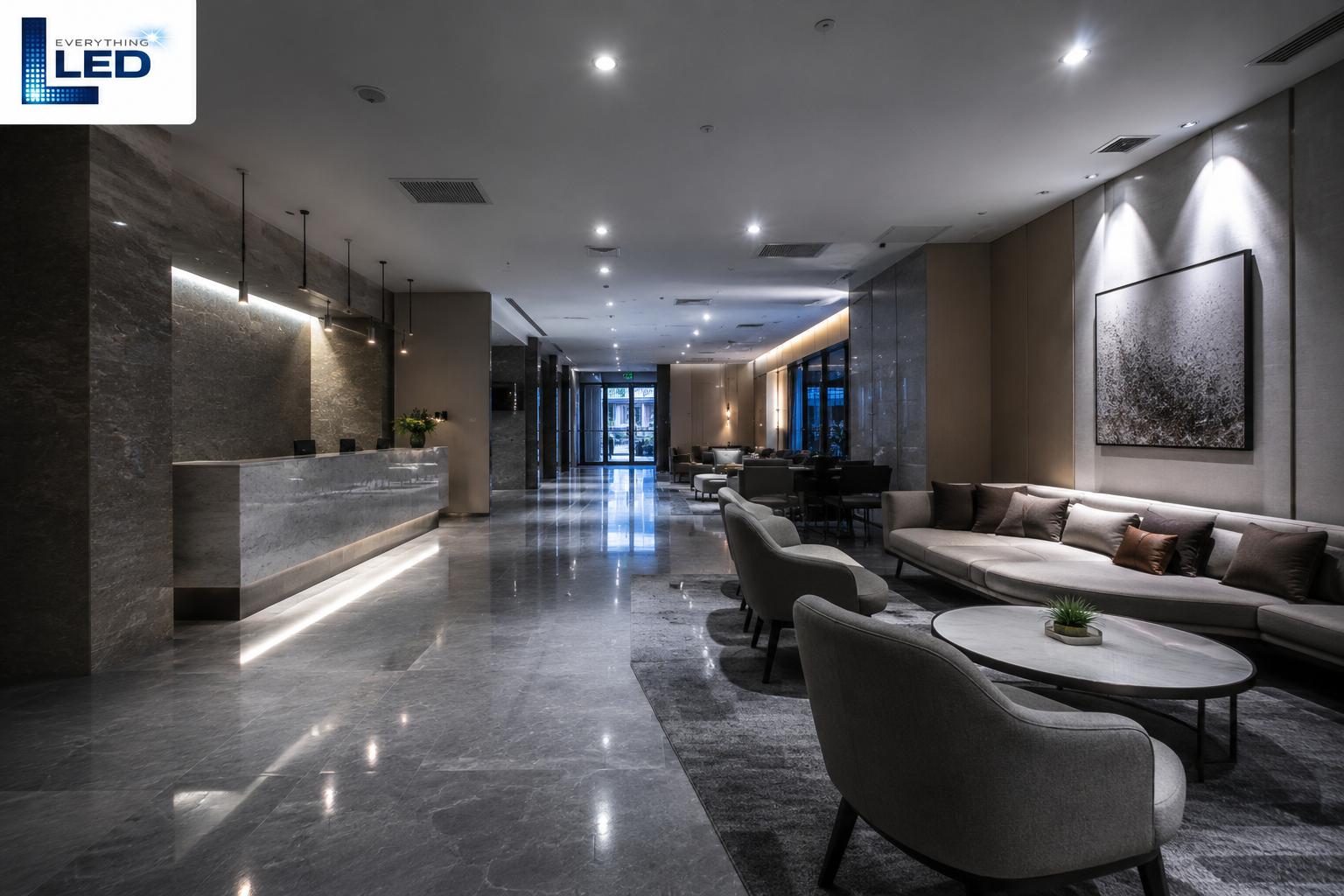
Hotels, resorts, restaurants, and high-end hospitality spaces spend significant time developing lighting plans.
They understand that lighting plays a major role in guest experience.
"The goal is not simply visibility. The goal is creating a feeling."
Warm, layered lighting helps guests feel comfortable and welcome.
Accent lighting draws attention to architectural features.
Consistent color temperatures create a polished and intentional environment.
These same design principles are increasingly being incorporated into modern homes, multifamily developments, clubhouses, and commercial spaces.
Need a consistent color temperature plan?
Share your fixture schedule and we'll help keep color temperature cohesive across every space in the project.
Where builders commonly run into problems
Color temperature issues often appear when:
- Fixtures are substituted during construction
- Lighting packages come from multiple sources
- Renovations are completed in phases
- Existing fixtures are mixed with newer products
- Design specifications are not clearly communicated
Even high-quality fixtures can create disappointing results if color temperatures are inconsistent throughout the project.
Why planning matters
Color temperature should be considered early in the design process rather than after fixtures have already been selected.
Builders, designers, architects, and developers who establish a clear lighting strategy from the beginning are more likely to deliver spaces that feel cohesive and professionally designed.
A small decision on a specification sheet can have a major impact on how the finished project is experienced.
Decide it on the spec sheet
Set a target color temperature during design, before fixtures are chosen. One clear value on the specification sheet keeps every space consistent and prevents mismatches on site.
The details people remember
Most homeowners, tenants, guests, and visitors will never ask what color temperature was used in a space.
They simply know whether it feels comfortable.
They know whether it feels modern.
They know whether it feels welcoming.
Great lighting often goes unnoticed because it supports the overall experience without drawing attention to itself.
That is exactly what good design should do.
Helping Arizona projects get lighting right
At Everything LED Lighting, we work with Arizona builders, contractors, architects, developers, and design professionals to create lighting solutions that support both aesthetics and functionality.
Because great lighting is not just about brightness.
It’s about consistency.
It’s about experience.
And sometimes, it’s the small details that make the biggest difference.