Have you ever walked into a business and immediately wanted to leave?
Nothing was necessarily wrong.
The space was clean. The furniture looked fine. The employees were friendly.
But something about it felt uncomfortable.
Maybe it felt harsh. Maybe it felt cold. Maybe you couldn’t quite see what you needed to see. Or maybe the entire space simply felt off.
You probably didn’t look at the ceiling and blame the lighting.
But the lighting may have been part of the reason.
People Experience Lighting Before They Think About It
Most customers aren’t evaluating color temperature or fixture placement when they walk through the door.
They’re experiencing the result.
A restaurant can feel warm and inviting. A retail store can feel energetic and interesting. A hotel lobby can feel polished and relaxing. An office can feel bright and productive.
Or those exact same spaces can feel sterile, gloomy, exhausting, or uncomfortable.
Lighting helps create that difference.
The best commercial lighting often isn’t the lighting people consciously notice. It’s the lighting that makes the space feel right.
Harsh Lighting Can Make People Want to Move On
More light isn’t always better light.
A commercial space can technically have plenty of illumination and still feel unpleasant.
Excessive brightness, glare, poor fixture placement, and overly harsh light can create visual discomfort.
Think about the difference between sitting under a glaring light that makes you want to squint and sitting somewhere with comfortable, balanced illumination.
One makes you conscious of the environment. The other lets you enjoy it.
That’s an important distinction for businesses that want customers to stay awhile.
Dark Doesn’t Always Mean Cozy
The opposite problem happens too.
Businesses sometimes lower light levels because they’re trying to create atmosphere.
Done well, it can be beautiful. Done poorly, customers are pulling out their phones to read the menu.
There is a difference between intentionally creating mood and simply not providing enough useful light.
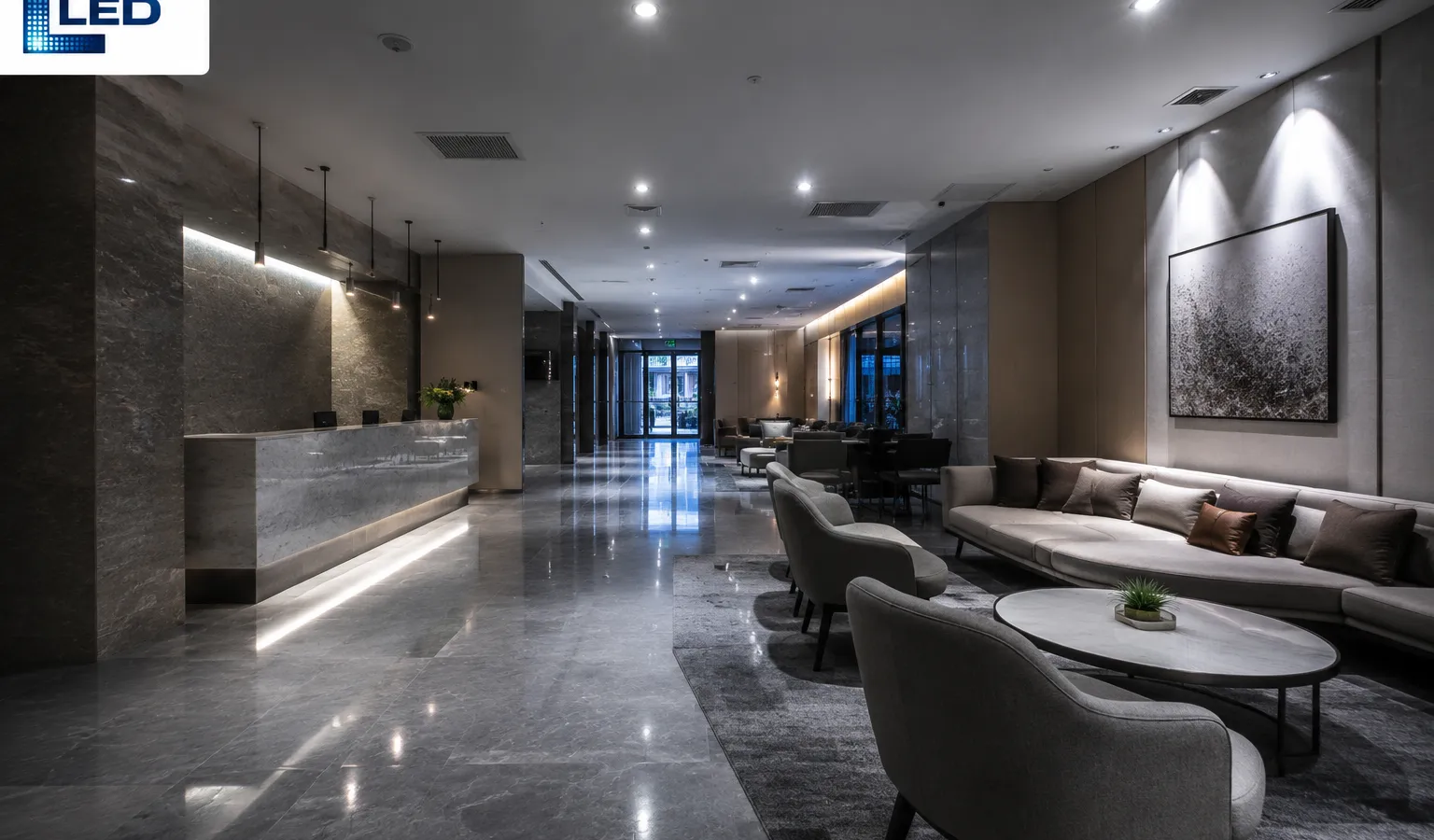
A restaurant should feel intimate without making dinner difficult to see. A hotel corridor should feel calm without feeling unsafe. An apartment clubhouse can feel relaxed while still providing enough illumination for residents to comfortably use the space.
Good lighting design balances atmosphere with function.
Mood and function are not opposites
Dimming a space is not the same as designing it. Atmosphere comes from where the light lands and how it's controlled, not from simply using less of it.
Lighting Can Change How Customers See Your Products
This matters enormously in retail.
People need to see what they’re buying.
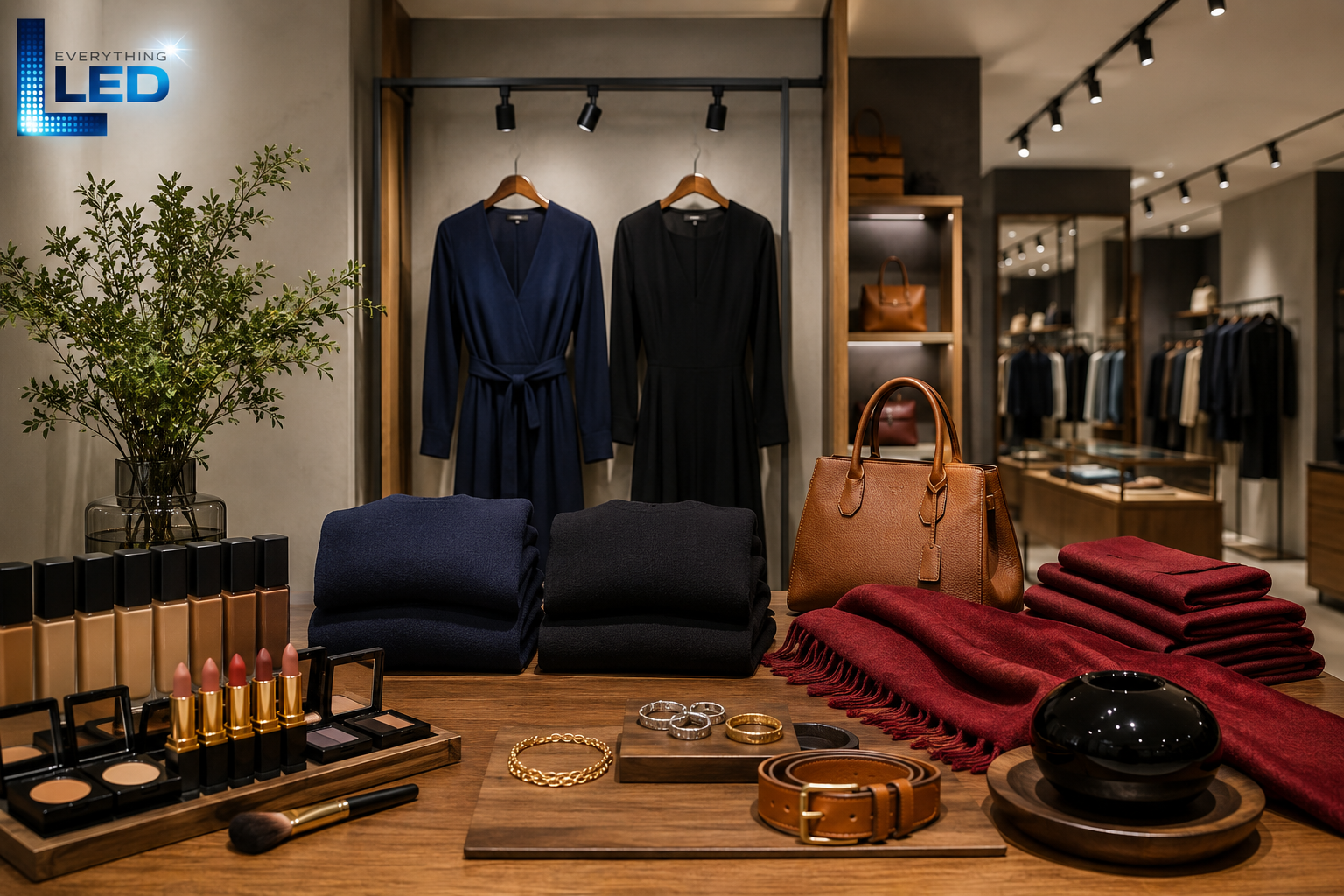
Color, texture, detail, and presentation can all be affected by lighting. A beautiful product displayed under poor lighting may look completely different than it was intended to look.
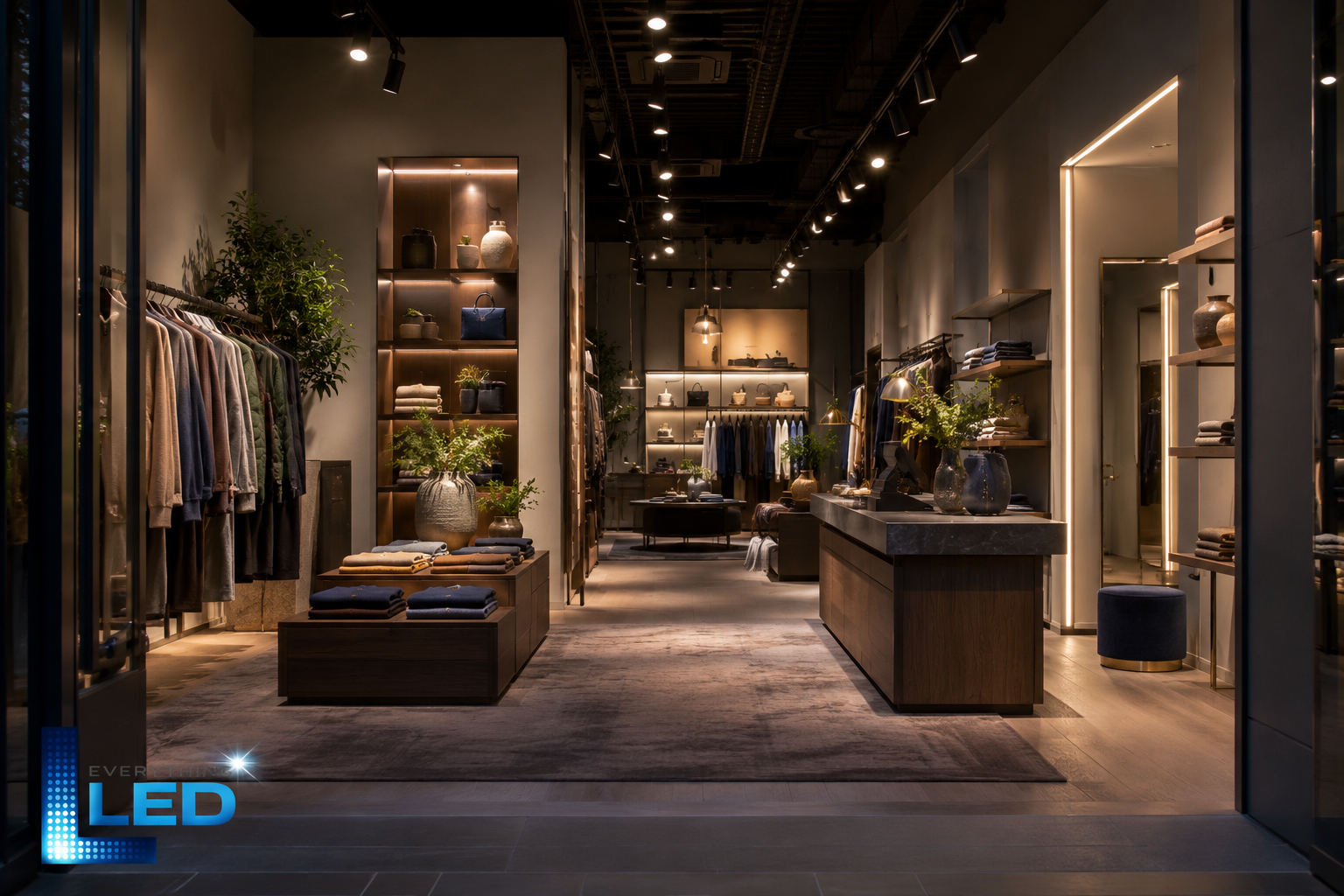
Thoughtful retail lighting can help direct attention, highlight merchandise, define different areas of a store, and create an environment that encourages customers to keep exploring.
The customer may never compliment the fixtures.
They may simply stay longer.
And that’s the point.
Comfortable Spaces Invite People to Stay
Think about some of your favorite places.
The coffee shop where you accidentally spend two hours. The restaurant where nobody is rushing to leave after dinner. The hotel lobby where people actually sit instead of immediately heading upstairs. The apartment courtyard where residents gather in the evening.
Those spaces aren’t memorable because someone installed enough fixtures to meet a lighting requirement.
They’re memorable because all of the elements work together to create an experience.
Lighting is part of that experience. It can help make spaces feel warmer, calmer, safer, more energetic, more sophisticated, or more welcoming.
Employees Feel It Too
Customers aren’t the only people experiencing commercial lighting.
Employees may spend eight hours or more under it every day.
Poorly planned lighting can contribute to glare, visual discomfort, frustrating shadows, and work areas that simply don’t function as well as they should.
Thoughtful lighting can help create workspaces where employees can see clearly and comfortably perform the tasks their jobs require.
Again, the goal isn’t simply more light. It’s the right light for what happens in the space.
Every Space Is Asking People to Feel Something
A luxury hotel and an auto repair facility shouldn’t necessarily feel the same.
Neither should a medical office and a restaurant. Or an apartment clubhouse and a warehouse.
Every commercial environment has a purpose. And lighting should support it.
Before choosing fixtures, it can be helpful to ask a different question:
How should someone feel when they walk into this space?
Comfortable? Energized? Relaxed? Safe? Focused? Welcome?
Once you know the answer, lighting decisions become part of creating that experience.
Planning a space people should want to stay in?
Tell us what happens in the room and how it should feel. We'll help match fixtures, color temperature, and controls to that goal.
Design Lighting for People, Not Just Buildings
Commercial lighting has technical requirements.
Efficiency matters. Fixture quality matters. Maintenance matters. Budgets matter. Schedules matter.
But ultimately, buildings are designed for people.
And people don’t walk away saying:
“That space had an excellent fixture schedule.”
They say:
“I loved that place.”
At Everything LED, we help Arizona contractors, developers, property managers, and businesses find commercial lighting solutions that work for the building while creating better experiences for the people inside it.
Because great lighting doesn’t just help people see a space.
It helps determine how they feel while they’re there.