When builders and designers discuss lighting plans, much of the conversation focuses on fixture selection, placement, and aesthetics.
Those decisions matter.
But one of the most overlooked aspects of residential lighting design is how the space will actually be used after the homeowner moves in.
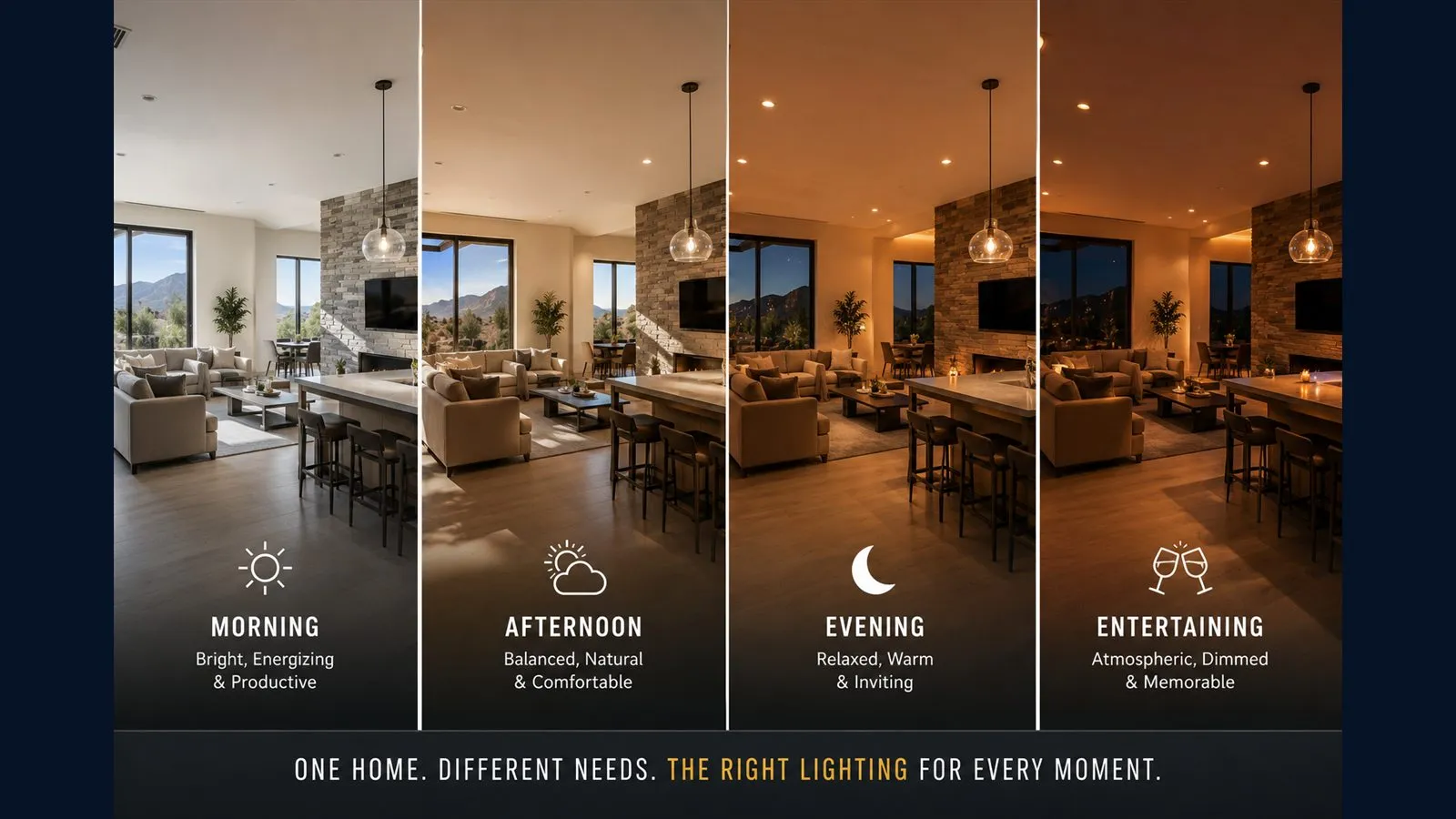
The reality is that a home does not serve the same purpose at 7:00 AM that it serves at 9:00 PM.
Morning routines, family gatherings, entertaining guests, working from home, preparing meals, and relaxing in the evening all place different demands on a home’s lighting system.
Yet many residential projects are still designed around a single lighting level.
For modern Arizona homes, that approach often leaves functionality and user experience on the table.
Modern homes are multi-purpose spaces
Today’s homeowners use their homes differently than previous generations.
Open-concept floor plans have become common. Kitchens flow into great rooms. Dining areas often serve as gathering spaces, workspaces, and entertainment areas.
A single room may host several different activities throughout the day.
Bright task lighting may be ideal for preparing meals or helping children with homework. That same lighting level may feel harsh and uncomfortable during a quiet evening with family or while entertaining guests.
As residential design evolves, lighting systems must become more adaptable.
Lighting design is about more than fixtures
Builders often invest significant time selecting attractive fixtures, but lighting design extends beyond the fixture itself.
How light is controlled can have just as much impact on the finished space as the fixture selection.
A carefully designed lighting plan should allow homeowners to adjust lighting levels based on the activity taking place within the room.
This flexibility helps create spaces that feel more comfortable, functional, and intentional.
"In many cases, the difference between a good lighting design and a great lighting design comes down to control."
Where dimming controls deliver the most value
While dimming controls can benefit nearly every room in a home, certain spaces tend to see the greatest impact.
Where dimming earns its keep
Nearly every room benefits, but kitchens, great rooms, dining areas, primary suites, and outdoor living spaces tend to see the biggest impact from adaptable lighting.
Kitchens
Kitchen lighting often needs to transition throughout the day.
Bright illumination supports meal preparation and cleanup, while softer lighting may be preferred during casual family gatherings or evening entertaining.
Great Rooms
Large gathering spaces frequently serve multiple purposes.
Flexible lighting helps homeowners create the appropriate atmosphere for movie nights, social events, family activities, or quiet evenings at home.
Dining Areas
Dining spaces benefit significantly from adjustable lighting levels that help create a more welcoming and comfortable environment.
Primary Suites
Bedrooms often require different lighting conditions for reading, relaxing, dressing, and winding down at the end of the day.
Outdoor Living Areas
Arizona homeowners spend a significant amount of time outdoors.
Patios, outdoor kitchens, and entertainment spaces often benefit from lighting systems that can transition from functional to ambient with ease.
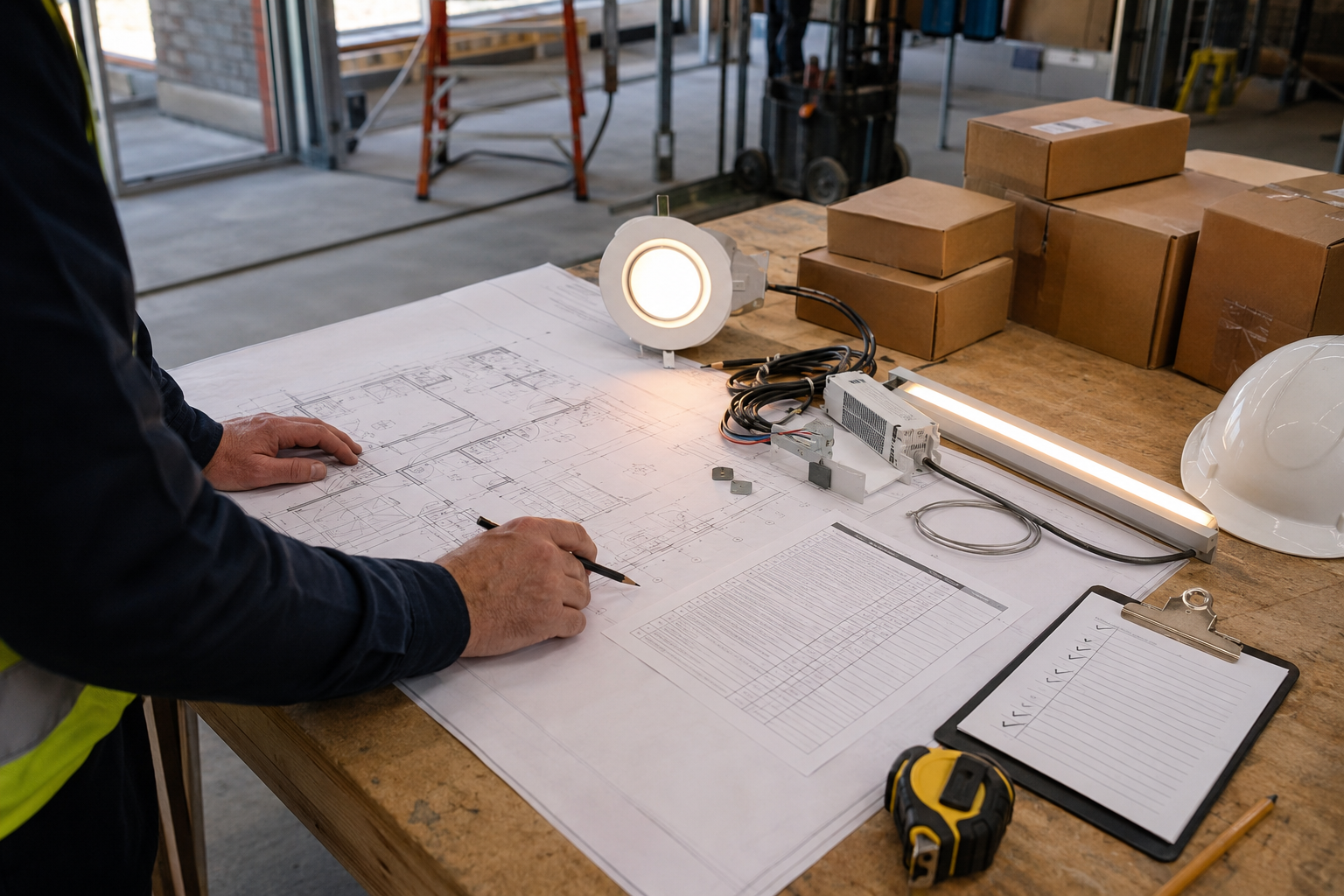
Planning lighting controls for a home build?
Share your floor plan and fixture list — we'll help spec dimming and adaptable lighting that fits how the space will actually be used.
Luxury hospitality has been doing this for years
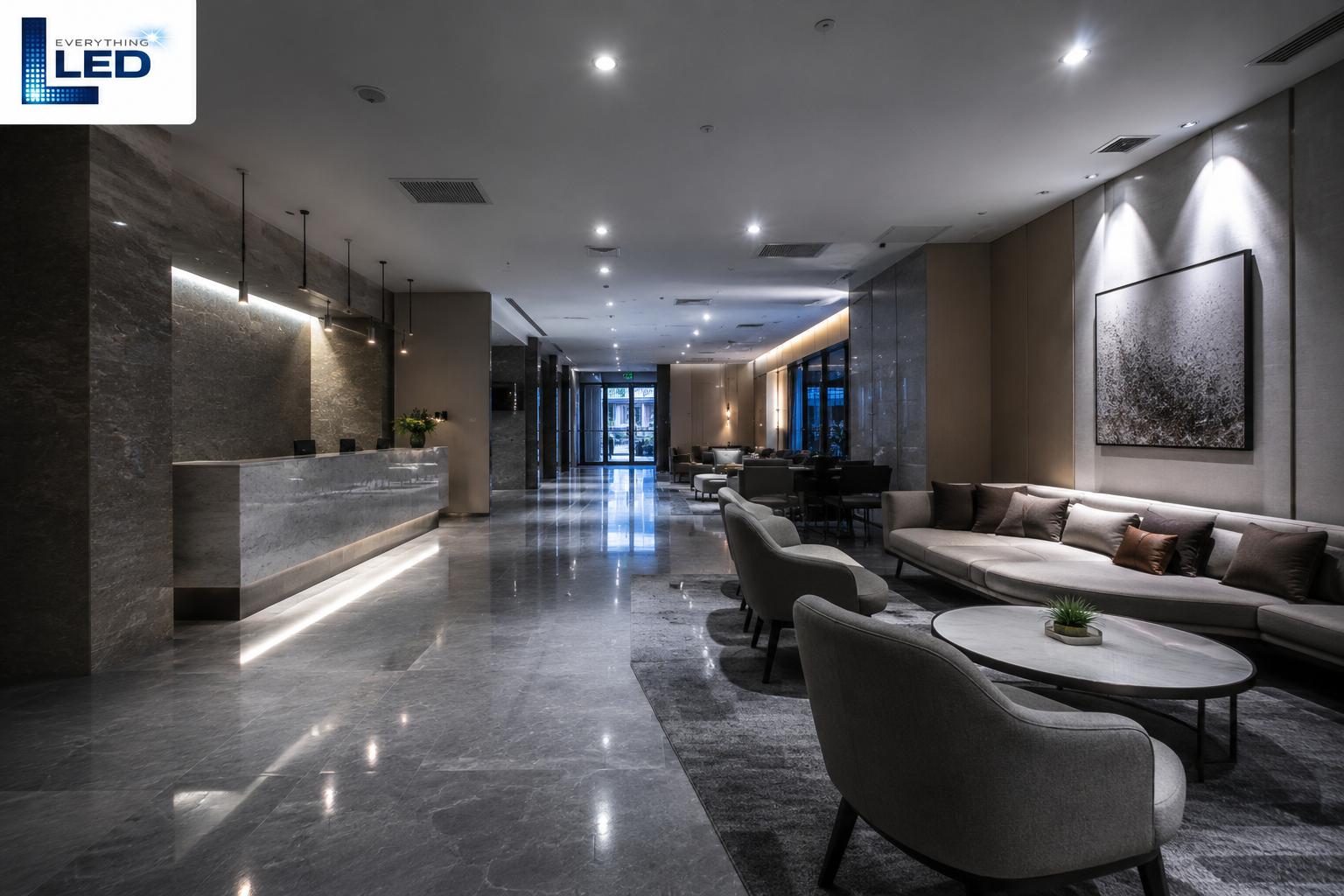
Many of the best examples of effective lighting design can be found in luxury hotels, resorts, restaurants, and hospitality environments.
These spaces rarely operate at maximum brightness all day long.
Instead, lighting is adjusted to support different activities, create specific moods, and enhance the overall guest experience.
The lobby that feels welcoming in the evening may have very different lighting requirements than it does during the middle of the day.
The same principle applies to residential construction.
As homeowner expectations continue to evolve, builders and designers are increasingly incorporating hospitality-inspired design principles into modern homes.
Lighting flexibility is a major part of that trend.
A small upgrade with a big impact
One of the advantages of incorporating dimming controls during construction is that the investment is often relatively modest compared to the overall project budget.
However, the impact on the homeowner’s daily experience can be substantial.
The ability to adapt lighting to changing activities, moods, and schedules can significantly improve how a space functions long after construction is complete.
These details often become the features homeowners appreciate most after moving into a finished home.
Supporting better residential lighting design
At Everything LED Lighting, we work with Arizona builders, contractors, developers, architects, and design professionals to create lighting solutions that support the way modern spaces are actually used.
Because great lighting is about more than illumination.
It’s about delivering the right experience at the right time.
When lighting can adapt throughout the day, the entire home works better.